
Keloid Scar Removal Treatment in Pune
Keloid Scar Removal Treatment
You got a piercing, a small cut or an acne spot. It healed, and then the scar kept growing. Now it’s firm, maybe itchy, and you can’t stop noticing it. That’s usually when people start searching for keloid scar removal in Pune.
If this sounds familiar, you’re not alone, and you haven’t done anything wrong. Keloids are a skin-healing problem, not a hygiene problem. At Skinovate, we begin by looking closely at your scar, your skin and what you’ve already tried. Only then do we talk about treatment.
Unlike normal scars, keloids:
- Grow beyond the boundary of the original wound
- Keep expanding even after the wound has healed
- Can cause physical discomfort as well as emotional distress
Keloids may develop after:
- Surgical wounds or stitches
- Burns
- Body piercings and tattoos
- Acne and boils
- Minor cuts or scratches
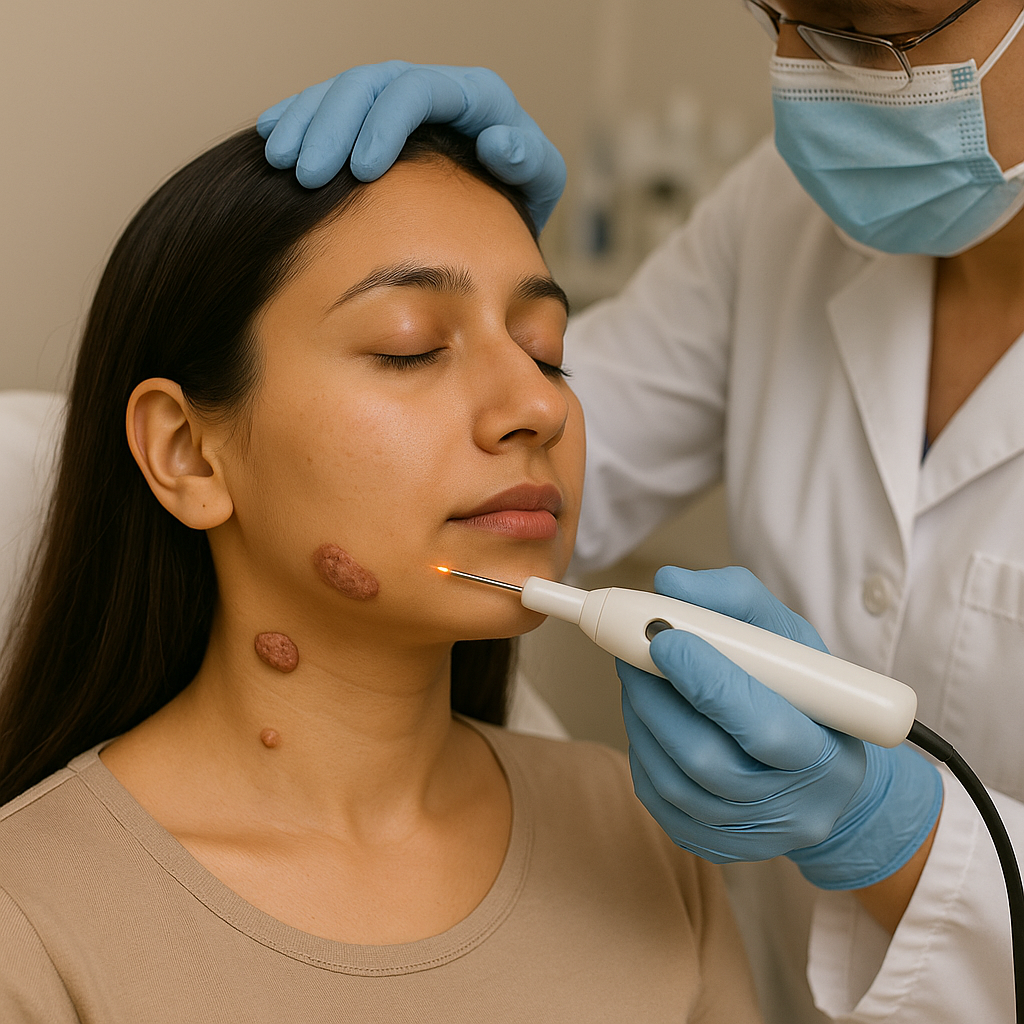
Symptoms & Discomforts of Keloids
Keloids are not just cosmetic concerns. They may cause:
- Restricted movement (when located near joints)
- Burning sensation or sensitivity
- Pain and tenderness
- Persistent itching
- Cosmetic concerns, affecting confidence and self-image
Why Do Keloids Form?
Not everyone develops keloids – some people are more prone than others. Risk factors include:
- Genetics – If family members have keloids, you may be more likely to develop them.
- Skin type – People with darker skin tones are more prone.
- Age – Commonly seen between 10–30 years.
- Location – Shoulders, chest, back, and earlobes are common areas.
👉 Myth vs Fact: Keloids are not contagious and don’t turn into cancer. They are simply an overgrowth of scar tissue.
How are keloids treated?
Surgery – Say No to Surgery
Surgical removal of keloids often leads to recurrence and sometimes larger keloids. That’s why it is not the first-line treatment. Instead, we recommend safer and more effective keloid removal treatment options.
Cryotherapy
- Freezes the excess scar tissue in the early stages.
- Works best on small and fresh keloids.
- Often combined with steroid injections for better results.
Laser Therapy
Advanced lasers help flatten and lighten keloid scars:
- Pulsed Dye Laser (PDL) – reduces redness and blood supply to the scar.
- Nd:YAG Laser – penetrates deeper layers for tough scars.
- CO₂ Laser – resurfaces and softens scar tissue which supports effective keloid scar removal treatment.
Steroid Injections & Medications
Corticosteroid injections shrink and flatten keloids. Medications relieve itching, redness, and discomfort.
Combination Treatments
The most effective approach often combines laser + cryotherapy + injections, depending on scar type, size, and skin response.
Which Keloid Removal Treatment Is Right for You?
Ask five people with keloids and you may hear five different treatments. That’s normal. Dermatology guidance supports tailoring care to the patient, and sometimes combining methods. Here’s a quick overview:
Treatment | What it does | Where it fits |
Corticosteroid injections | Softens and flattens the scar, eases itching | Often used for small to medium keloids, over several visits |
Cryotherapy | Uses cold to reduce the bulk of the scar | May suit smaller or thicker keloids |
Laser treatment | Can improve redness and surface texture | Selected cases, usually alongside other care |
Silicone gel or pressure therapy | Helps soften the scar and discourage regrowth | Long-term care, especially on ears |
Surgery plus added treatment | Removes the scar tissue | Larger or stubborn keloids, never on its own |
Notice the last row. Surgery by itself carries a real risk of the keloid returning, so it’s normally paired with another treatment afterward. Which option suits you depends on the scar, your skin and your goals, and your dermatologist should explain why they’re choosing it.
Keloid Treatment Cost in Pune: What Affects the Price?
People ask about cost early, and fairly so. But we don’t list a fixed price, because two keloids can need very different care. Here’s what moves the number:
- How big the keloid is
- How many areas are affected
- The treatment method used
- How many sessions you need
- Whether the scar has been treated before
The best way to understand your keloid scar removal cost in Pune is to get the scar examined. After your consultation, you’ll get a clear plan and an estimate, so you can decide without pressure.
What Happens After Keloid Treatment?
Recovery depends on the procedure, but most people notice a few things. Some redness, mild swelling or tenderness is common for a few days. If the skin was broken or stitched, you’ll get dressing instructions, and it’s important to keep the area clean and dry.
Sun protection counts too. UV light can darken a treated scar, so cover the area or use the sunscreen your dermatologist recommends. Try not to scratch or pick at it, even when it itches. And please come to your follow-up visits, since that’s where we spot problems early.
Call the clinic if you notice worsening pain, spreading redness, pus, fever, bleeding that won’t stop, or fast regrowth.
Why Choose Skinovate for Keloid Treatment?
- Experienced dermatologists in advanced scar management
- USFDA-approved lasers & cryotherapy equipment
- Customized treatment plans for each patient
- Performed under sterile, clinical conditions
- Focus on both aesthetic improvement and comfort
Book a Keloid Treatment Consultation in Pune
Not sure if your scar is a keloid? Worried about recurrence or cost? A keloid treatment consultation in Pune is the easiest way to get clear answers. You’ll leave knowing what your scar is and what your options are.
Real Stories, Real Results
Listen to our Patients share their journey and see how personalized care and advanced treatments made all the difference.
Frequently Asked Questions
Rarely. Unlike many other scars, keloids usually do not shrink without treatment. A dermatologist can suggest ways to flatten, soften and manage them.
Comfort depends on the method. Injections can sting for a short time, and your doctor can use numbing methods where suitable. Mild soreness afterwards is common.
It varies with the size, thickness and location of the keloid. Many patients need several visits, and your doctor will give you an estimate after examination.
Yes, they can. Follow-up care and protecting the area from new injury can help lower the chances.
Not always. Surgery alone has a high chance of recurrence, so it is often paired with other treatments such as injections or pressure therapy.
There is little reliable evidence that home remedies work, and some can irritate the skin. It is better to see a dermatologist before trying anything.
See a doctor if a scar keeps growing, itches, hurts, or spreads beyond the original wound.
Book a consultation at Skinovate. The dermatologist will examine the scar, discuss your history and recommend a plan.
