


Written by Skinovate Content Team | Medically Reviewed by Dr. Sushil Chaudhary On August 18, 2026
Table of Contents
- Introduction
- Key Takeaways
- What Is Face Pigmentation?
- What Causes Dark Spots on Your Face?
- Common Symptoms and Types
- How to Remove Pigmentation From Face Permanently Naturally at Home: What Actually Works
- The Best Home Remedies for Pigmentation on Face
- Natural Remedies to Skip
- A Simple Routine for Pigmented Skin
- Ingredients Dermatologists Recommend for Hyperpigmentation Treatments
- When Home Care Isn’t Enough
- Professional Treatments for Face Pigmentation Removal
- Cost and Prevention
- Questions People Ask
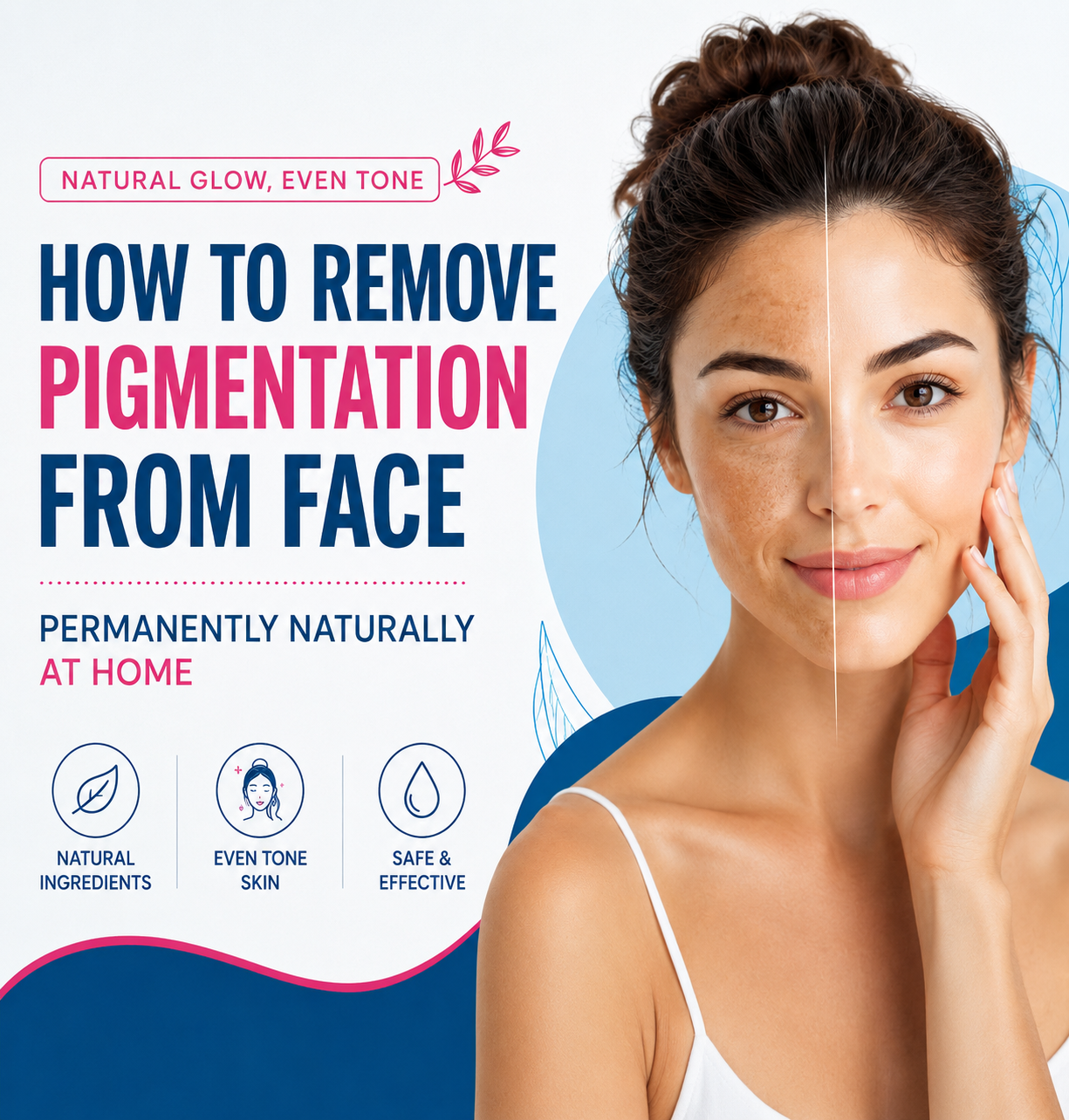
Dark spots can make your skin look uneven, even when everything else feels healthy. If you’re looking for how to remove pigmentation from face permanently naturally at home, here’s the honest truth: no home remedy can permanently erase it completely. But here’s what does work.
Pigmentation happens when your skin makes too much of a pigment called melanin. It can show up after sun exposure, acne breakouts, hormonal changes, or irritation. When you’re trying how to get rid of pigmentation on face, the right daily routine can fade some marks and stop new ones from forming.
Key Takeaways
- Daily sunscreen is the single most important step for fading dark spots and preventing new ones.
- Different types of pigmentation (melasma, acne marks, freckles, and sun spots) need different treatments.
- Gentle ingredients like niacinamide, vitamin C, and azelaic acid work over time to fade marks.
- Lemon juice, harsh scrubs, and unprescribed steroid creams can actually make pigmentation on face worse.
- If dark marks persist or change, see a dermatologist for hyperpigmentation treatments.
What Is Face Pigmentation?
Face pigmentation is when melanin builds up unevenly on your skin. You might see patches, small spots, or marks left behind from acne. Not all dark marks come from the same cause, so what works depends on what triggered yours.
Think of facial pigmentation as a catch-all term for darker areas caused by extra melanin. Pigmentation on face includes scars from acne, melasma, freckles, and sun spots. Some live near the skin’s surface and fade on their own. Others go deeper and need professional help.
| Type | How it looks | What causes it |
| Post-acne marks | Brown or gray spots | Acne and inflammation |
| Melasma | Symmetrical patches on cheeks, forehead, or upper lip | Hormones and sun |
| Freckles | Small tan dots | Genetics and sun exposure |
| Sun spots | Flat brown patches | Years of sun exposure |
What Causes Dark Spots on Your Face?
Sun exposure is the biggest culprit. It can darken almost every type of pigmentation. But hormonal changes, pregnancy, PCOS, aging, genetics, acne, and certain medications can all trigger dark spots too.
Picking at pimples or rubbing your skin also causes problems. When you do that, your skin can develop post-inflammatory hyperpigmentation (dark marks left after irritation). This happens more easily in darker skin tones. If you’re wondering how to remove pigmentation, understanding what caused it is the first step.
Common Symptoms and Types
You’ll probably notice flat brown, gray, or black patches on your cheeks, forehead, nose, upper lip, or jawline. Acne marks usually stick around where the breakout was. Melasma typically shows up on both sides of your face in a symmetrical pattern.
| Concern | Where you’ll see it |
| Melasma | Symmetrical brown or gray patches |
| Post-acne marks | Where breakouts healed |
| Freckles | Small spots scattered across your face |
| Sun spots | Larger flat spots on skin exposed to sun |
| Age spots | Brown patches that appear as you get older |
Important: If a spot is changing, painful, bleeding, raised, or crusted, don’t try to treat it yourself. See a doctor.
How to Remove Pigmentation From Face Permanently Naturally at Home: What Actually Works
Home care can gradually fade mild pigmentation and help prevent new spots. But be realistic. It probably won’t permanently erase melasma, deep acne scars, or hormone-related patches. When you’re looking for home remedies for pigmentation on face, the best approach is daily sunscreen, gentle care, and tried-and-true ingredients used consistently.
Face pigmentation removal at home takes patience. You need to commit to a routine for weeks before seeing results. Most people see improvement in mild cases within 8 to 12 weeks.
The Best Home Remedies for Pigmentation on Face
Aloe vera, green tea, turmeric, yogurt, and licorice are popular remedies people try. They might soothe your skin or offer a little brightening, but the evidence is limited. These pigmentation on face home remedies are not permanent cures.
Use formulated products from skincare brands instead of mixing things in your kitchen. A serum with 2% to 5% niacinamide can help even out your skin tone. Vitamin C products (usually 10% to 20%) can help with dullness from sun damage. Azelaic acid is another solid option for acne marks and uneven skin.
Pigmentation treatment at home works best when you layer the right products. Test any new product on a small patch of skin for a few days first. Eat well with plenty of protein, fruits, and vegetables, and drink water. But don’t expect food alone to get rid of dark spots.
Natural Remedies to Skip
Myth: Raw lemon juice lightens dark spots.
Reality: Lemon, undiluted apple cider vinegar, baking soda, and rough scrubs can burn or irritate your skin. That irritation often leaves darker marks behind, not lighter ones.
Avoid prescription steroid creams unless a dermatologist tells you to use them. Don’t mix multiple acids at once. Stop using anything that causes burning, swelling, blistering, or a rash that lasts more than a day or two.
A Simple Routine for Pigmented Skin
When you start pigmentation treatment at home, keep your routine simple and consistent.
Morning:
- Gentle cleanser
- Optional vitamin C serum
- Moisturizer
- Sunscreen (SPF 30 or SPF 50)
Reapply sunscreen after you sweat, swim, or spend a long time outside.
Night:
- Cleanser
- One treatment (niacinamide or azelaic acid)
- Moisturizer
Only add one new active ingredient at a time. Mild acne marks usually need 8 to 12 weeks of consistent care before you see real improvement with pigmentation home remedies.
Ingredients Dermatologists Recommend for Hyperpigmentation Treatments
| Ingredient | Best for | What to watch for |
| Vitamin C | Dullness and sun spots | Can sting sensitive skin |
| Niacinamide | Mild marks | Start with 2% to 5% |
| Azelaic acid | Acne marks and melasma | May dry out skin temporarily |
| Kojic acid | Uneven tone | Can irritate if you overuse it |
| Retinol | Acne and rough texture | Avoid if you’re pregnant |
| Alpha arbutin | Light discoloration | Results take time |
| Tranexamic acid | Melasma | Talk to a dermatologist first |
Retinol and acids need time to get used to. If you have melasma, sensitive skin, or darker skin, a dermatologist can help you pick the best treatment for pigmentation on face with the right strength and combination.
When Home Care Isn’t Enough
Book an appointment with a dermatologist if:
- Your pigmentation is deep and won’t fade
- Pigmentation treatment at home hasn’t worked after 12 weeks
- It keeps coming back
- It’s hormone-related
- You need hyperpigmentation treatments beyond home care
Also see a doctor right away if a spot is changing, bleeding, painful, or if you notice a new unusual mark. Don’t try to fix those yourself.
Professional Treatments for Face Pigmentation Removal
| Treatment | What it does | Side effects |
| Medical creams | Gradually fades marks | Dryness or irritation |
| Chemical peels | Improves surface pigment | Peeling and redness |
| Laser (Q-switched or pico) | Targets dark spots | Temporary redness |
| Carbon laser | Brightens surface | Mild redness |
| Microneedling | Improves texture and acne scars | Temporary swelling |
| PRP | Extra support | Results vary |
| Hydrafacial | Temporary glow | Limited pigment correction |
Face pigmentation removal through professional methods usually needs more than one session. Lasers and peels can actually make pigmentation worse if they’re not chosen carefully, so pick a qualified dermatologist for the best treatment for pigmentation on face.
Cost and Prevention
In India, costs for pigmentation treatment vary a lot depending on the clinic, equipment, and how many sessions you need. Always ask for a written plan showing the total cost before you start treatment.
Prevent dark spots from coming back by:
- Wearing sunscreen every day
- Using a hat when you’re outside
- Skipping tanning beds
- Treating acne early
- Never picking at your skin
Questions People Ask
Can you permanently remove pigmentation at home?
Mild pigmentation on the face might fade with sunscreen and gentle products. But no natural remedy can promise permanent how to remove pigmentation from face permanently. Deep scars or melasma usually need professional treatment.
What’s the best treatment for pigmentation on face?
The best treatment for pigmentation on face depends on what causes it and how deep it goes. Your dermatologist might suggest creams, chemical peels, or laser treatments.
How long does treatment take?
Mild marks often improve in 8 to 12 weeks with consistent pigmentation home remedies and home care. Professional treatments usually need several sessions and ongoing maintenance.
Does laser permanently remove pigmentation?
Lasers can reduce pigmentation, but it can’t guarantee it won’t come back. Sun exposure, hormones, and acne can trigger it again, so maintenance pigmentation treatment is important.
If you want to know how to remove pigmentation from face permanently naturally at home, focus on realistic progress, not overnight fixes. Daily sunscreen, gentle products, and patience can make a real difference. If home care doesn’t work after a few months, it’s time to see a dermatologist for professional face pigmentation removal options.
Remember: How to get rid of pigmentation on face is a journey, not a quick fix. Be patient with your skin. Book an appointment for treatment
