


Written by Skinovate Content Team | Medically Reviewed by Dr. Sushil Chaudhary On April 22, 2026
Table of Contents
- Introduction
- What is Keloid Scars and How They Form
- Common Causes and Who Is at Risk
- How to Recognize the Symptoms of Keloids
- Effective Treatment Options for Keloid Scars
- Practical Tips to Prevent Keloid Formation
- Conclusion
Introduction
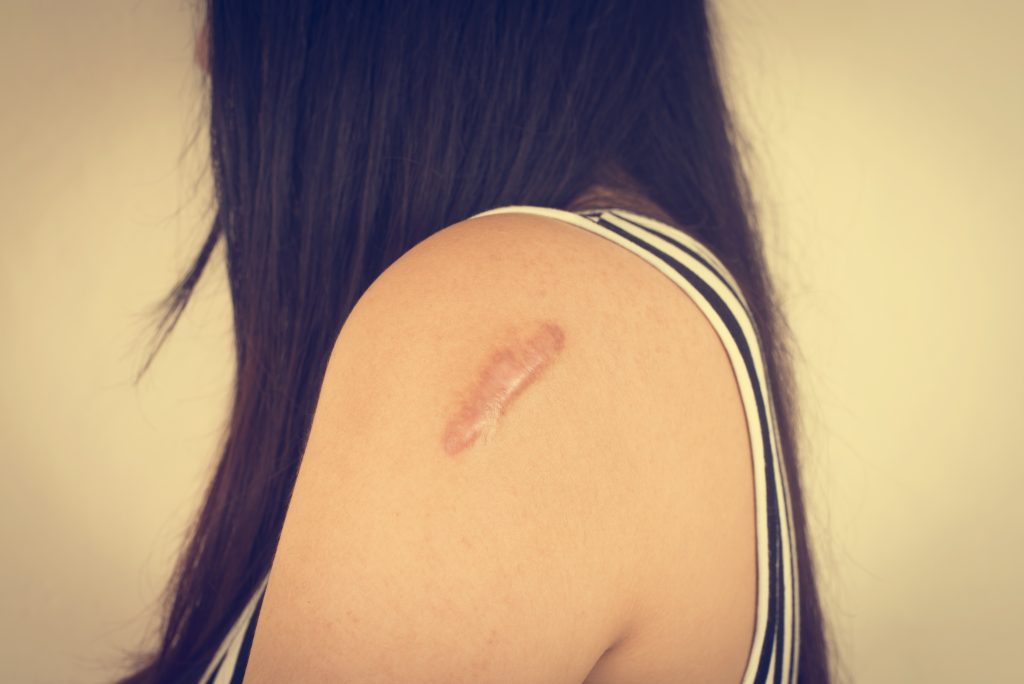
Keloid scars are a type of raised scar that is developed when the skin heals after an injury but produces excess collagen. Unlike normal scars, they extend beyond the original wound and may continue to grow over time. While they are not harmful but they can affect appearance and sometimes cause discomfort such as itching or tenderness. So it is important to understand what keloid scars cause, symptoms and treatment options as it can help you manage them effectively and reduce the chances of them worsening.
What is Keloid Scars and How They Form
Keloid scars form due to an overactive healing response in the body. When the skin is injured, collagen is produced to repair the wound. However, in some cases, this process becomes excessive and it leads to thick, raised scar tissue that spreads beyond the original injury area. This is known as keloid scar formation and it can occur even after minor skin damage such as acne, insect bites or piercings. The resulting scar is often firm, smooth and noticeably different from the surrounding skin.
Common Causes and Who Is at Risk
Keloids can develop from various types of skin injuries and certain individuals are more likely to experience them due to genetic and environmental factors.
- Skin injuries such as cuts, burns, surgical incisions or severe acne can trigger abnormal healing and lead to keloid formation.
- Piercings and tattoos especially in areas like the ears, chest, shoulders or back are some common causes of keloids.
- A family history of keloid scars increases the likelihood which indicates a strong genetic connection.
- People with darker skin tones tend to have a higher risk due to differences in skin structure and healing response.
- Hormonal changes during puberty or pregnancy may influence how the skin heals which makes keloids more likely to develop.
How to Recognize the Symptoms of Keloids
Keloid scars have distinct features that set them apart from regular scars and identifying them early can help you in seeking the right treatment.
- The scar appears raised and continues to grow beyond the boundaries of the original wound rather than staying confined to it.
- It often has a smooth and shiny surface and may vary in color from pink and red to darker shades which depends on your skin tone.
- Many individuals experience itching, tenderness or even mild pain in the affected area.
- The scar tends to grow slowly over time and does not fade like a typical scar.
- It usually feels firm or rubbery when touched and may become more prominent with time.
Effective Treatment Options for Keloid Scars
Below are some keloid treatment options available out there:
Corticosteroid Injections
Corticosteroid injections are one of the most commonly recommended for keloid treatment. These injections help to reduce inflammation and slow down excessive collagen production which gradually flattens the scar. The treatment is usually given in multiple sessions over several weeks or months which can depend on the size and thickness of the keloid. While it may not completely remove the scar, it can improve its appearance and reduce symptoms like itching or discomfort.
Laser Therapy
Laser treatment is used to improve both the texture and color of keloid scars. It works by targeting blood vessels within the scar tissue and helps to reduce redness and make the scar less noticeable. In many cases, laser therapy is combined with other treatments such as steroid injections for better results. It is a non-invasive option but multiple sessions are typically required to achieve visible improvement.
Surgical Removal
Surgical excision involves physically removing the keloid scar. This option is usually considered for larger or more severe keloids. However, surgery alone may not be sufficient as keloids have a high chance of recurring. To reduce this risk, doctors often combine surgery with follow-up treatments like corticosteroid injections or radiation therapy.
Cryotherapy
Cryotherapy is a treatment that involves freezing the keloid using liquid nitrogen. This process helps to break down the scar tissue and reduce its size over time. It is particularly effective for smaller keloids and is often used in combination with other treatments. While it can cause discomfort during the procedure it is generally considered a safe and effective option for reducing scar thickness.
Silicone Gel Sheets and Creams
Silicone-based products are widely used as a non-invasive treatment for keloid scars. These gels or sheets create a protective barrier over the scar which helps to hydrate the skin and regulate collagen production. With consistent use over several weeks or months, they can help flatten and soften the scar while improving its overall appearance. This option is especially useful for early-stage scars or as a preventive measure after injury.
Practical Tips to Prevent Keloid Formation
Keloids cannot always be avoided but taking proper precautions can significantly lower the risk, especially for those who are more prone to them.
- Avoid unnecessary skin trauma such as piercings or tattoos if you have a history of keloid scars.
- Take proper care of wounds by keeping them clean and covered to support healthy healing.
- Use silicone gel or sheets on healing skin to help control excess collagen production.
- Protect healing areas from sun exposure as UV rays can darken scars and make them more noticeable.
- Consult a dermatologist early if you notice a scar becoming thick, raised, or spreading beyond the original wound.
Conclusion
Keloid scars are the result of an exaggerated healing process but with the right approach, they can be managed effectively. Understanding how they form, recognizing early symptoms and choosing appropriate treatment options can help reduce their impact. By following preventive measures and seeking timely care you can improve both the appearance of your skin and your overall confidence.
