


Written by Skinovate Content Team | Medically Reviewed by Dr. Sushil Chaudhary On April 10, 2026
Table of Contents
- Introduction
- Hair Thinning vs Hair Loss
- Why Hair Fall Happens in Your 20s
- Early Signs You Should Not Ignore
- Effective Solutions That Actually Work
- When Should You See a Specialist?
- Conclusion
Introduction
Hair fall in your 20s may surprise and stress you. It is a time when you are supposed to have the best hair and any hair fall or lack of volume may affect your self-confidence and mental health.
However, this is no longer a new phenomenon. With the change in lifestyle and constantly increasing stress levels, hair fall is becoming a common problem for people. The important thing is to know the reasons for hair loss in your 20s and take the right measures before the problem becomes worse.
Hair Thinning vs Hair Loss
Before we get into the solution, it is important to understand the difference between thinning and loss of hair.
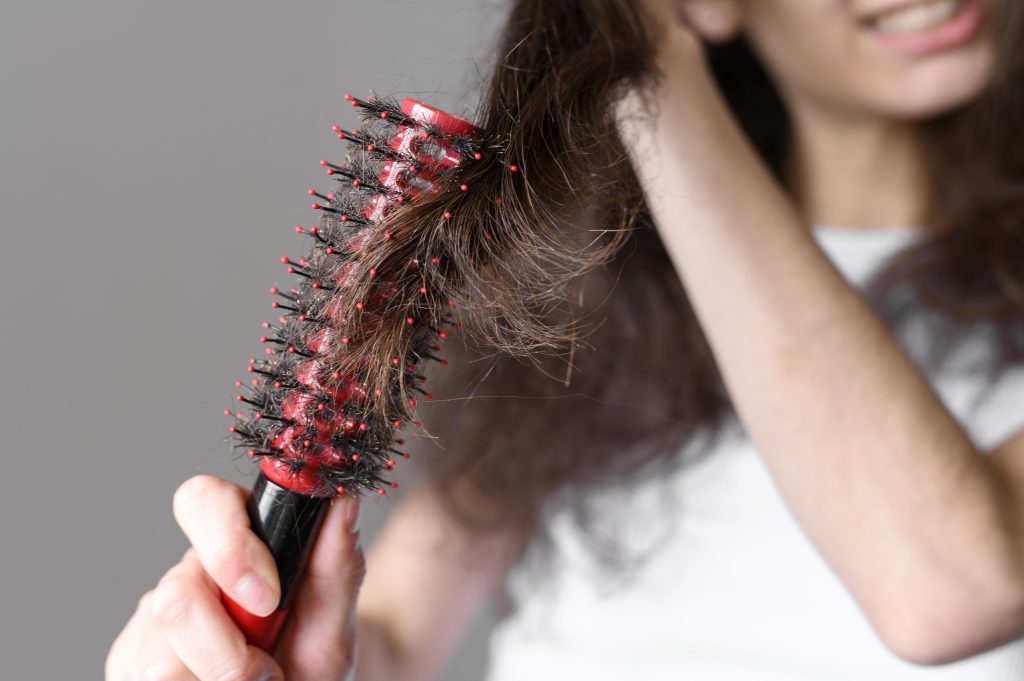
Hair thinning is called the gradual reduction of the density of the hair. You might have noticed that the size of your ponytail is decreasing over time or that your scalp is slightly visible. On the contrary, hair loss often involves an excessive shedding of hair. You might have noticed excessive loss of hair while showering, brushing or even on your pillow.
So understanding this difference can help you to identify whether the condition is temporary or requires medical attention for hair fall treatment.
Why Hair Fall Happens in Your 20s
Hair loss in your 20s can feel unexpected and honestly a bit stressful. At this age, most people don’t expect to deal with thinning or excessive shedding. But the truth is, it usually doesn’t happen because of just one reason. Actually it’s a mix of internal and external factors working together.
Hair fall in men and women can occur due to different reasons. In men, it is most commonly caused by genetics and hormonal factors like DHT which can lead to male pattern baldness. Hair fall in women is often linked to hormonal changes, iron deficiency, thyroid issues or postpartum changes.
However there are some most common causes from which you can lose hair in your 20s:
Stress and Lifestyle Factors
Stress, lack of sleep and an extremely busy lifestyle are some of the common reasons why hair fall occurs in your 20s.
Nutritional Deficiencies
Hair growth is largely dependent on nutrition. Lack of nutrients like iron, Vitamin B12, Vitamin D and proteins can be one of the reasons why hair fall occurs.
Hormonal Imbalance
Changes in hormones due to thyroid problems and PCOD are also one of the reasons why hair fall occurs.
Genetic Factors
If there is a history of hair thinning or pattern baldness in your family, the risk of getting it in your 20s is high.
Improper Hair Care Habits
Hair fall is also due to the use of excessive heat, chemicals, tight hairstyles using harsh hair products like shampoo with strong sulfates, Irregular Hair Washing Routine and combing wet hair can cause unnecessary breakage.
Water Quality Issues
Hard water with excess minerals can make hair rough, dry and more prone to breakage and hair fall.
Early Signs You Should Not Ignore
While some amount of hair shedding is normal, there are some more signs which may indicate an issue that requires attention.
-
- Your hair volume is slowly reducting
- Increased hair on pillow, comb or shower drain
- Visible thinning near the scalp
- Hair receding or parting becoming wider
- Hair losing its natural thickness
- Increased hair breakage
- More Hair Fall during washing or oiling
- Slow Hair Growth
- Noticeable changes in hair texture
Effective Solutions That Actually Work
Managing hair loss in your 20s requires a balanced approach that focuses on both internal health and external care.
Improve Your Diet
A balanced diet rich in protein, iron and vitamins is important for hair health and hair growth. Don’t forget to load up on vitamins and minerals like biotin, zinc and iron that are necessary for healthy hair and works as a natural hair fall treatment..
Manage Stress Effectively
Making lifestyle changes such as regular exercise, proper sleep and relaxation techniques can significantly reduce stress-related hair fall.
Adopt a Gentle Hair Care Routine
Using mild shampoos, avoiding excessive heat styling and maintaining scalp hygiene can help you to protect your hair from damage.
Consider Professional Treatments
There are a number of hair fall treatments that may help you which includes Hair PRP, Hair GFC, medical therapies, and scalp treatments.
When Should You See a Specialist?
If you are frequently searching online for a trusted best hair fall treatment, you can consult Best skin & hair clinic in your city. Early consultation increases the success rate of any hair fall treatment.
You should consult a dermatologist or hair specialist if:
-
- Hair fall exceeds 100 strands daily consistently
- You notice rapid hairline recession
- Bald patches appear suddenly
- Thinning becomes clearly visible in photos
- Hair fall continues for more than 3–6 months
- There is itching, redness or scalp pain
- Family history of pattern baldness exists
- Hair texture becomes extremely fine and brittle
Conclusion
Hair fall in 20s is common but it should not be ignored. Early intervention, the right lifestyle choices and expert guidance can help you to control the condition and restore healthy hair growth.
At Skinovate, we focus on the approach that identifies the root cause and provides tailored solutions to make sure the results are long-term and you get healthier hair.
